Caring for Guava Trees in Zone 8B

David Sacramento Atlanta Georgia
Última actualización: 2024-12-31
David Sacramento Atlanta Georgia
Última actualización: 2024-12-31
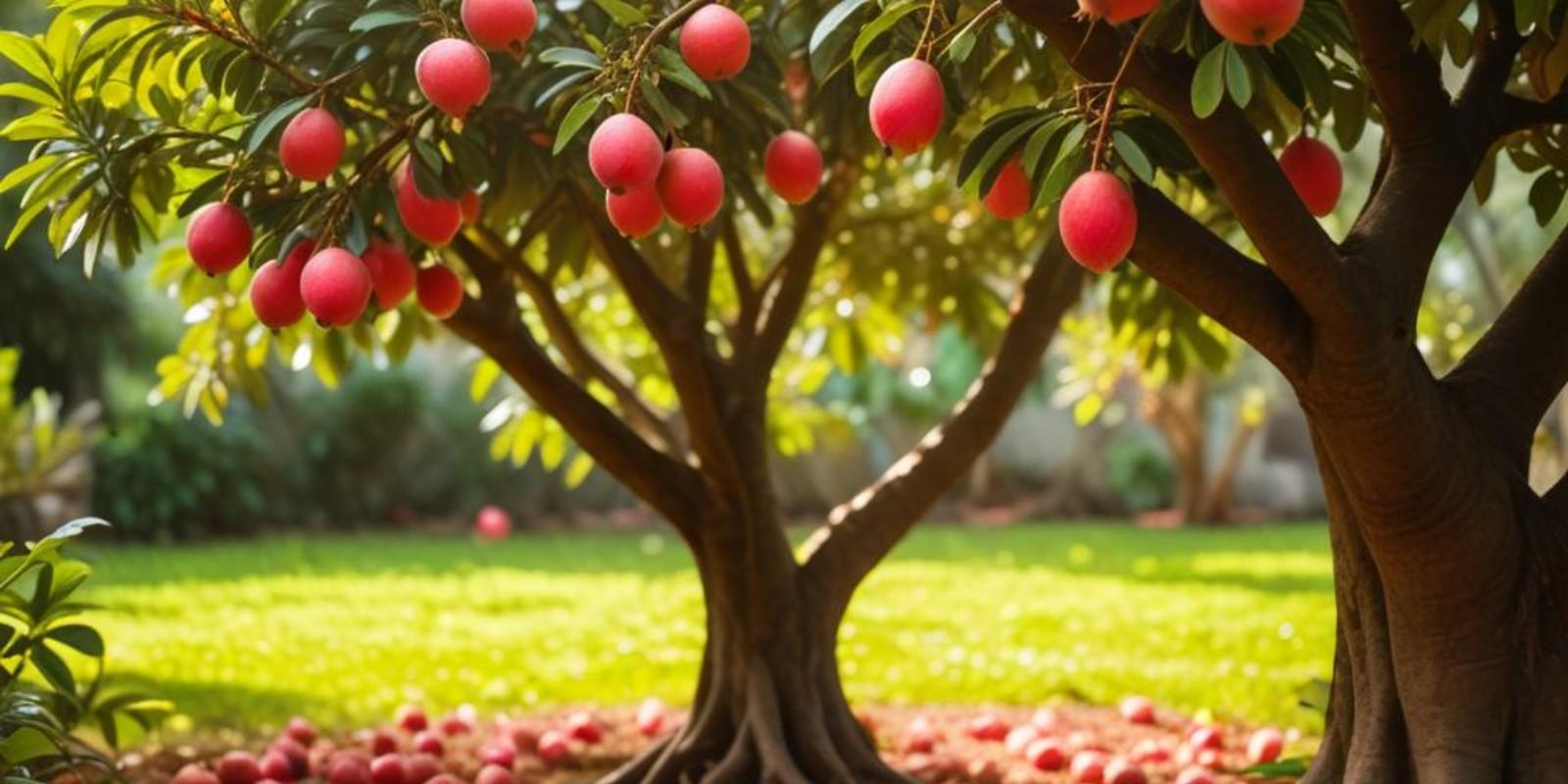
Guava trees, with their lush foliage and fragrant fruit, can be a delightful addition to any garden in USDA hardiness zone 8B. While these tropical trees thrive in warmer climates, with the right care and attention, they can flourish even in this moderately temperate zone. This article provides you with practical insights and techniques to nurture your guava trees effectively, ensuring they yield an abundant harvest year after year. From ideal planting conditions to pest control measures, you’ll find everything you need to cultivate your thriving guava trees.
The first step in successfully growing guava trees in zone 8B is proper planting. Start by selecting a location that receives full sun for at least six to eight hours a day. Guavas thrive in well-draining soil, so ensure the area has good drainage to prevent root rot. When planting, dig a hole twice the width of the root ball but just as deep. This method will give the roots ample space to expand. Once placed in the hole, backfill with a mix of native soil and compost to encourage healthy growth. Consider planting guava trees in the spring after the last frost, as this promotes optimal root development. If you are starting from seeds, germinate them indoors and transplant them when they are about six inches tall. Providing adequate space between trees, around 10 to 15 feet, allows for airflow and prevents disease.
Watering is crucial for maintaining the health of your guava trees. In the first year after planting, guavas require frequent watering to establish their roots. Aim to keep the soil consistently moist but not soggy. As the tree matures, you can reduce watering frequency to once a week, adjusting based on rainfall and temperature. It’s beneficial to water deeply, allowing moisture to penetrate the root zone. Mulching around the base of the tree with organic materials helps retain moisture and suppress weeds, reducing competition for nutrients. Remember, overwatering can lead to root issues, so always check the soil moisture before applying water.
Fertilization plays a significant role in the growth and productivity of guava trees. Start with a balanced fertilizer in early spring, rich in potassium and phosphorus, which promotes flowering and fruiting. An NPK ratio of 10-10-10 works well, providing essential nutrients throughout the growing season. Reapply fertilizer every two to three months during the growing season. As fruits begin to develop, switching to a high-potassium fertilizer can enhance fruit quality and yield. If you're uncertain about when or how much to fertilize, consider conducting a soil test to tailor your approach based on nutrient deficiencies.
Pruning is essential for guava health, allowing for improved air circulation, light penetration, and overall productivity. Essential pruning should take place during the dormant season in late winter or early spring. Focus on removing dead or diseased branches, as well as any inward-growing limbs to encourage an open canopy structure. After initial pruning, continue to shape the tree by pinching back new growth after it reaches about six inches. This encourages bushier growth and more fruit production. Regular maintenance pruning every year helps to keep the tree healthy and manageable, ensuring that your guava trees maintain their vigor for many years.
Like any other fruit tree, guava trees can be susceptible to pests and diseases. Common pests include guava fruit fly, aphids, and scale insects. Implementing organic pest control methods such as introducing beneficial insects, using insecticidal soap, or applying neem oil can effectively manage these threats without harming the environment. Diseases to watch for include root rot, Fungal infections, and leaf spot. Ensuring good soil drainage, proper watering practices, and timely pruning can mitigate these issues. If you notice any signs of disease, such as wilting leaves or discolored spots, promptly remove affected areas to prevent further spread.
Knowing when to harvest your guava fruits is key to enjoying their delicious flavor. Guava fruits typically ripen six to eight months after flowering. The best time to harvest them is when they are slightly soft to the touch and have developed a sweet aroma. If you’re unsure, a good tip is to pick a few to test their flavor. Be gentle when harvesting to avoid bruising the fruit. Use pruning shears for clean cuts, ensuring you leave a small portion of the stem attached to the fruit. Once harvested, guavas can be consumed fresh, used in jams, or blended into smoothies, providing a delightful addition to your culinary creations.
By understanding the unique needs of guava trees and providing appropriate care, you can enjoy a fruitful harvest that enriches your garden and kitchen.
Guava trees can survive mild winters in Zone 8B, but protective measures such as mulching and covering during frost are advisable to prevent damage.
Pruning guava trees should be done annually during the dormant season to maintain health, encourage growth, and increase fruit yield.
Common signs of pests include yellowing leaves, wilting, or visible signs of insects like aphids or fruit flies on the tree and fruit.
Guava trees prefer well-draining, loamy soil rich in organic matter. Conducting a soil test can help determine the right amendments for optimal growth.
Ripe guavas emit a sweet aroma and yield slightly to gentle pressure. The skin color may also change to a yellowish hue, indicating ripeness. In nurturing guava trees in zone 8B, you create not only a fruitful addition to your landscape but a gratifying experience that connects with nature. Embracing the subtleties of planting, watering, fertilizing, and caring for your trees, you cultivate not just crops but a thriving ecosystem. Each step you take in this journey transforms your garden into a sanctuary of life, ensuring that the sweet rewards are abundant and enriching.
Herencia de propiedades para extranjeros en Dominicana
Este artículo aborda cómo dejar una propiedad en herencia siendo extranjero en la República Dominicana. Se exploran aspectos legales, la importancia de un testamento y se presentan casos prácticos. También se ofrecen consejos útiles y respuestas a preguntas frecuentes sobre el proceso.
Vivir en Orlando: Tu nueva aventura comienza aquí
La vida en Orlando ofrece una mezcla vibrante de cultura, entretenimiento y oportunidades laborales. Con parques temáticos, un clima cálido y una comunidad acogedora, es ideal para familias, jóvenes profesionales y jubilados. Descubre cómo hacer de esta ciudad tu hogar.
prueba index now categ
prueba index now categ prueba index now categ prueba index now categ prueba index now categ prueba index now categ prueba index now categ prueba index now categ prueba index now categ prueba index now categ prueba index now categ prueba index now categ prueba index now categ prueba index now categ p